The Path of Wing Tsun KungFu
During World War II, when parts of China were under Japanese occupation, Yip Man’s family estates were devastated, and life became difficult. A Japanese officer, having heard of Yip Man, offered him a position as a military instructor. As a true patriot, Yip Man rejected the occupier’s offer. After the war, he and his family relocated to Hong Kong. His noble background, pride, and unique temperament made it difficult for him to find suitable employment, leading the family into poverty for a time.
In 1949, encouraged by a close friend, Yip Man agreed to teach Kung Fu to members of the Hong Kong Restaurant Workers’ Association. Initially, both the students and instructors regarded him and his teachings with skepticism. Wing Tsun Kung Fu did not immediately appeal to outsiders—it lacked the flashy, broad movements and stances seen in other styles. Like his teacher, Yip Man disliked boasting or giving public demonstrations.
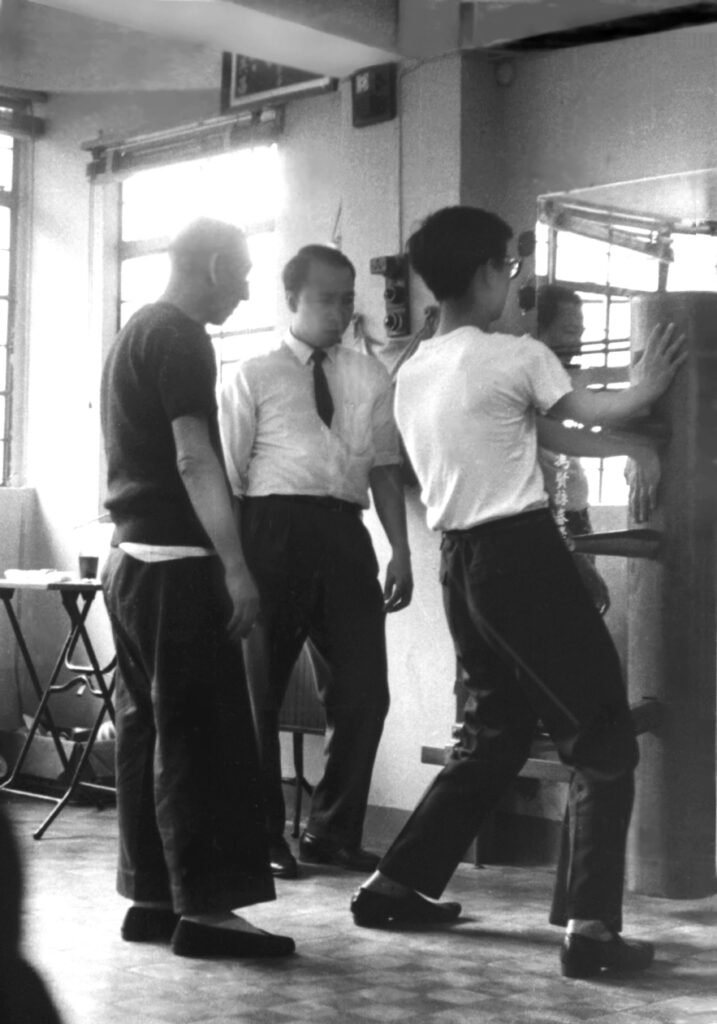
After four years at the association with only four students, Yip Man opened his own school with their help. From that point, interest in Wing Tsun Kung Fu grew steadily. As more students joined, the school moved to larger premises, and both Yip Man and his practical system became increasingly popular, especially among Hong Kong police officers.
Yip Man’s Legacy
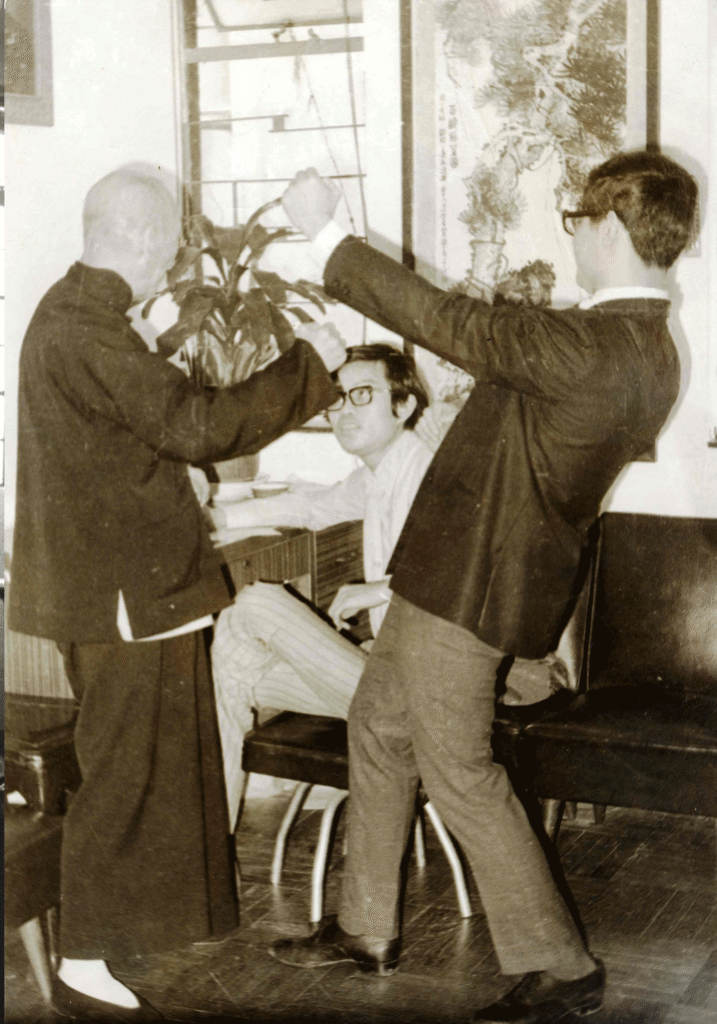
In 1967, with help from his students, Yip Man founded the Hong Kong Wing Tsun Athletic Association, opening more classes and further promoting the Wing Tsun system. In May 1970, Yip Man retired from teaching and began enjoying a quieter life, entrusting the management of his school to his favorite student, Leung Ting.
He would spend his mornings and evenings drinking tea alone or with students in his tea house, often joking and chatting without emphasizing his role as a master. His philosophy was humble: “Why boast? You are special only if people respect you.”
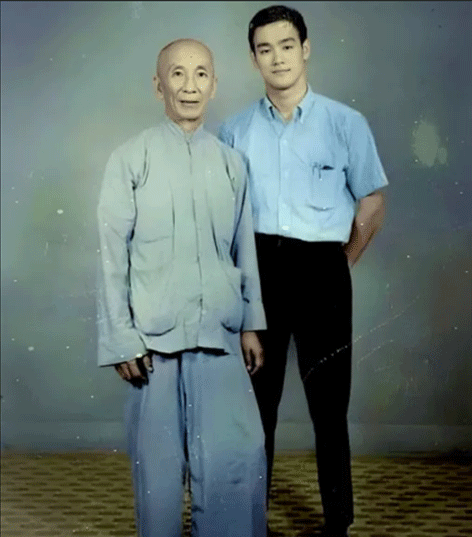
Around 1970–71, Bruce Lee became a global Kung Fu movie superstar and popularized Jeet Kune Do, though he had once been a student of Yip Man. Despite this connection, Yip Man never bragged about being Bruce Lee’s teacher. When people praised him for it, he would simply smile. He never argued with those who misunderstood Wing Tsun theory.
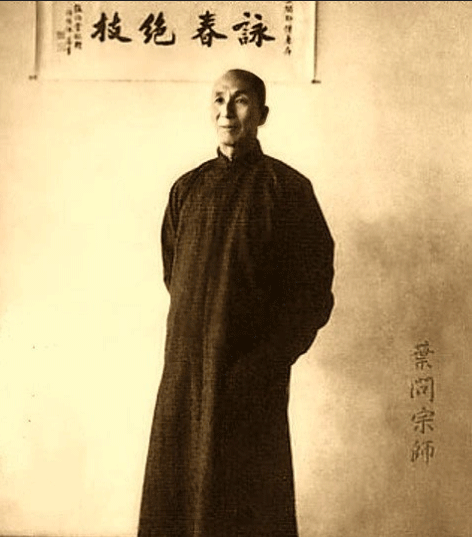
Grandmaster Yip Man passed away on December 2, 1972, leaving behind a lasting legacy. His students continued the promotion and development of the Wing Tsun Kung Fu system around the world.